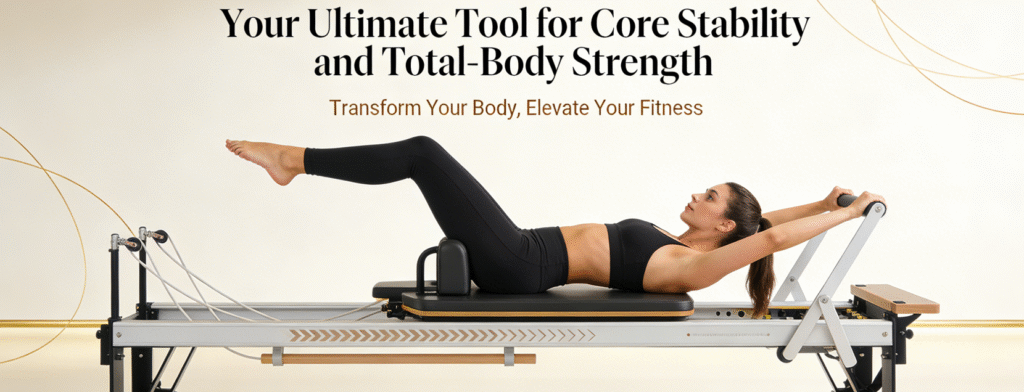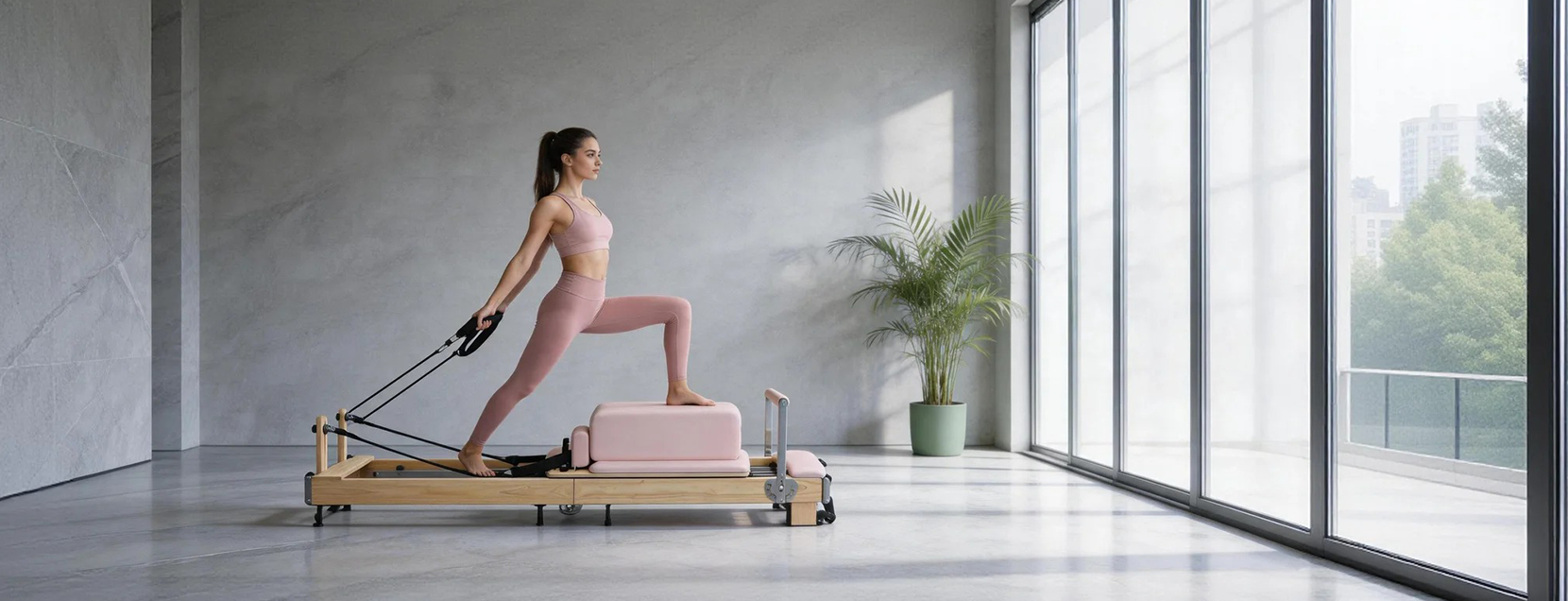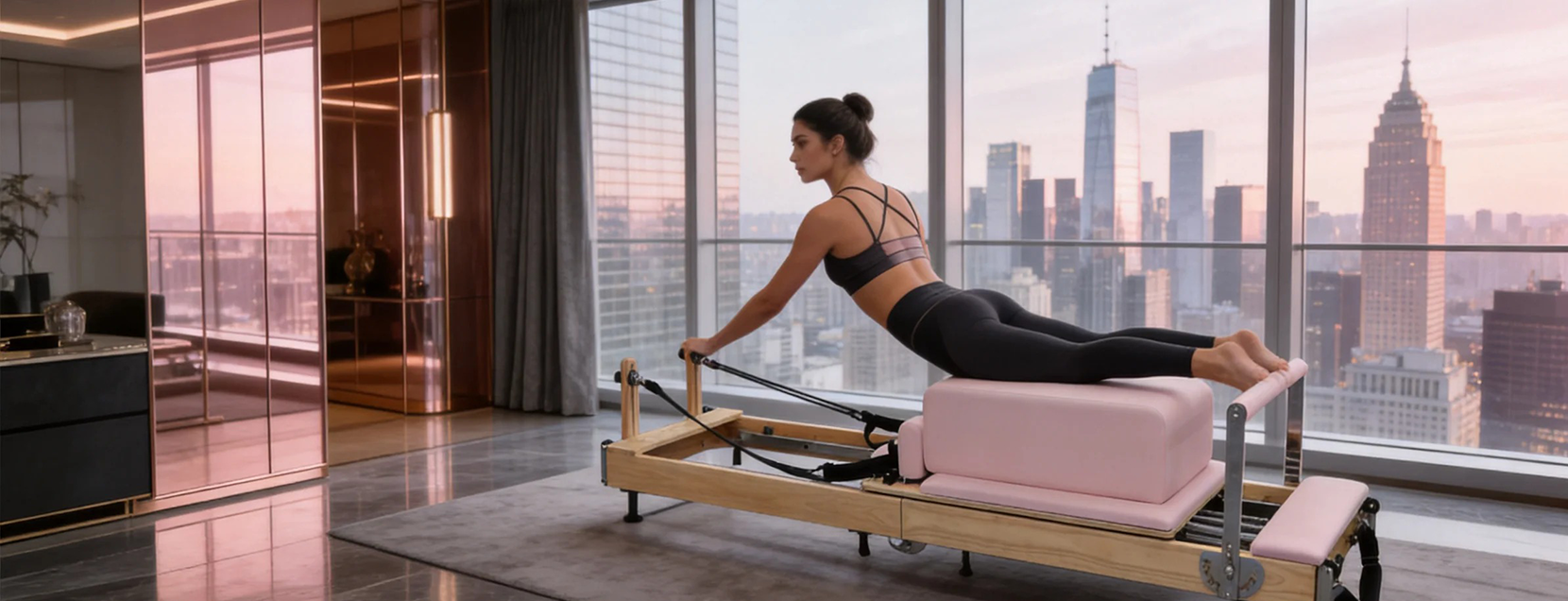

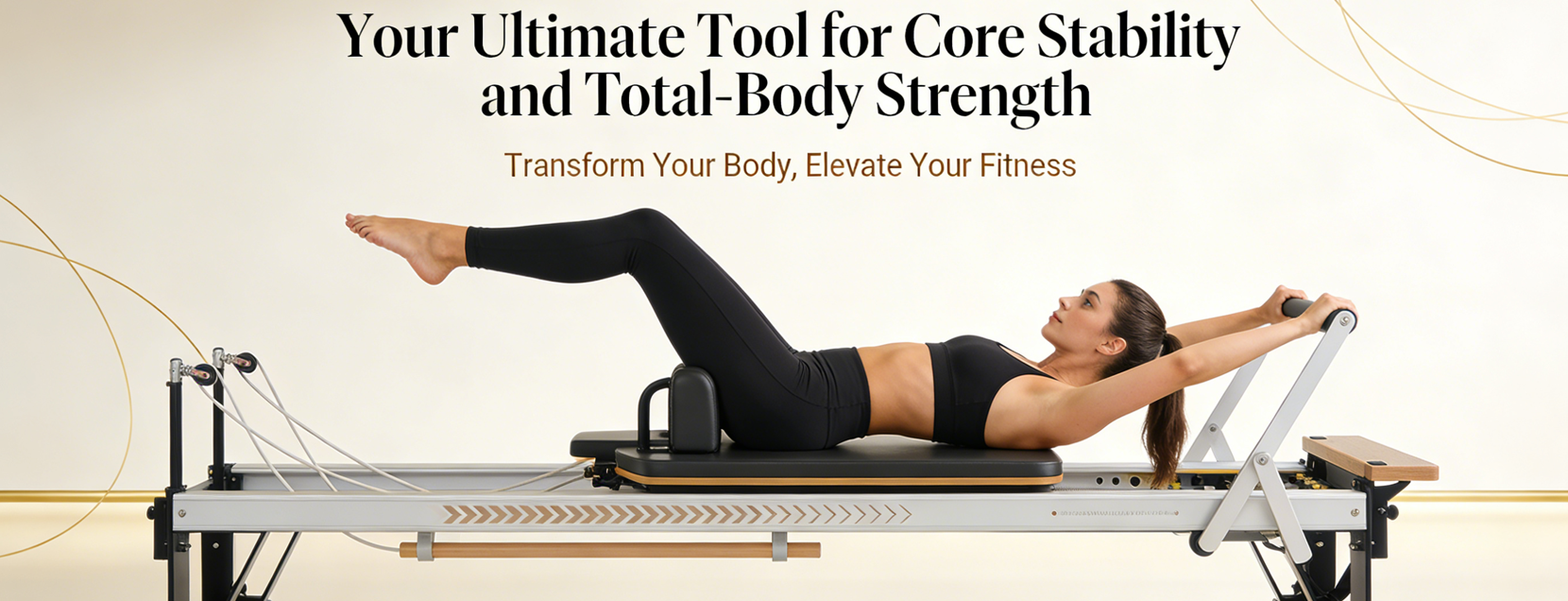
If you’ve ever walked past a Pilates Reformer in a studio or scrolled past one online, you might have thought: “That looks like a fancy stretching machine.” You’re not alone. A widespread misconception surrounds this elegant piece of equipment—many believe the Pilates Reformer is only for flexibility and gentle movement. It’s often seen as a tool for rehabilitation, dancers, or those seeking a light, low-impact workout.
But here’s the truth: the Pilates Reformer is one of the most versatile and effective strength-building machines you can own. When used correctly, it challenges your muscles in ways free weights and machines cannot, building deep core stability, lean muscle, and functional strength that transforms how you move—both in the gym and in daily life.
Let’s dismantle the myth and explore why a high-quality Pilates Reformer, like the one from SAERDE, deserves a central place in your home fitness arsenal.
The Misconception: “It’s Just for Stretching”
This belief is understandable. The Reformer’s smooth carriage, soft padding, and spring-based resistance look inviting and gentle. Many introductory classes focus on controlled breathing, spinal articulation, and mobility—all valuable, but not obviously “intense.” As a result, the Reformer gets pigeonholed as a stretching accessory rather than the strength powerhouse it truly is.
But consider this: the Reformer was invented by Joseph Pilates over a century ago specifically to build strength, control, and resilience. He called his method “Contrology” for a reason—it’s about mastering your body through resistance and precision. The springs provide variable tension, the carriage challenges your stability, and every movement demands engagement from your deepest muscles.
When you step onto a Reformer, you’re not just stretching. You’re performing controlled resistance training that recruits stabilizers often missed by traditional weights. This is why athletes, physical therapists, and serious fitness enthusiasts have relied on it for decades.
What Is Core Stability, Really?
Before we dive deeper, let’s define core stability. It’s not just about having visible abs. True core stability refers to the ability of your deep abdominal muscles, pelvic floor, diaphragm, and spinal erectors to work together, supporting your spine and pelvis during movement. It’s the foundation for every action—from lifting a grocery bag to sprinting or swinging a golf club.
A strong, stable core prevents injury, improves posture, and enhances athletic performance. And the Pilates Reformer is uniquely designed to build this type of stability. Unlike crunches or planks on a stable floor, the Reformer introduces an unstable surface (the moving carriage) and variable resistance (the springs), forcing your core to constantly adapt and stabilize. This is functional training at its finest.
How the Pilates Reformer Builds Core Stability and Strength
1. Dynamic Instability Engages Deep Stabilizers
When you lie on the carriage and push against the footbar, the carriage wants to move. To control it, your deep core muscles—the transversus abdominis, multifidus, and pelvic floor—must fire continuously. This isn’t something you consciously think about; it’s an automatic response to instability. Over time, this trains your body to maintain a neutral spine under load, which is the essence of core stability.
2. Springs Provide Variable Resistance
The spring system on a Reformer offers progressive resistance. Light springs allow for mastering form; heavier springs challenge strength and power. This flexibility means you can apply the principle of progressive overload—gradually increasing demand to stimulate muscle growth—without ever leaving the machine. Whether you’re a beginner or an advanced athlete, the Reformer adapts to you.
3. Full-Body Integration
On a Reformer, you rarely isolate a single muscle. Exercises like the Long Stretch, Elephant, or Knee Stretches require coordinated effort from your arms, legs, and core. This integration teaches your body to work as a unit, improving neuromuscular coordination and building real-world core stability that translates to better balance, agility, and injury resistance.
4. Eccentric Control for Joint Health
The Reformer’s springs provide resistance in both directions—during the push and the return. This means your muscles work eccentrically (lengthening under tension) as you control the carriage back. Eccentric training is renowned for building tendon strength, improving flexibility, and reducing injury risk. It’s a key component of any comprehensive strength program.
Why Your Reformer Choice Matters
Not all reformers are created equal. A wobbly carriage, inconsistent springs, or poor adjustability can undermine your progress and even lead to injury. This is where SAERDE’s Pilates Reformer stands apart.
1. Precision-Engineered for Stability
The SAERDE Reformer features a robust, commercial-grade frame with a smooth-gliding carriage on heavy-duty wheels. There’s no wobble, no jerky movement—just fluid, controlled motion that allows you to focus entirely on your form and muscle engagement. This stability is essential for building true core stability, as any equipment slop would force your body to compensate incorrectly.
2. Adjustable Spring Resistance for All Levels
Our reformer comes with a set of high-quality, color-coded springs that offer precise resistance levels. Whether you’re rehabbing an injury or pushing for strength gains, you can dial in the perfect tension. The springs are designed for longevity, maintaining consistent force even after thousands of repetitions.
3. Ergonomic Design for Comfort and Safety
The padded carriage, adjustable shoulder rests, and non-slip footbar ensure you remain comfortable and secure during even the most demanding exercises. Safety features like easy-to-use stoppers and a sturdy frame give you confidence when training alone at home.
4. Versatile for a Full-Body Practice
From leg presses and arm pulls to core work and spinal articulation, the SAERDE Reformer supports hundreds of exercises. You’ll never run out of ways to challenge your body and deepen your core stability. It’s truly a complete home gym in one compact machine.
Sample Reformer Workout for Core Stability
Want to experience the power of the Reformer? Try this simple sequence at home:
- Footwork (Series of 5): Lie on your back, feet on the bar, knees bent. Press the carriage out and in with control. This warms up the legs while engaging the deep core to stabilize the pelvis.
- Hundred (Preps): With straps in hands, curl your head and shoulders up, pump your arms vigorously while holding the carriage still. This classic exercise fires up the entire core.
- Short Spine: Lie on your back, legs in straps, and slowly roll your hips up as you extend legs overhead, then articulate back down. This challenges spinal mobility and core control.
- Knee Stretches (Round Back): Kneel facing the footbar, hands on bar, and round your back as you push the carriage back, then return. This builds incredible deep abdominal strength.
- Long Stretch: In a plank position with feet on carriage, hands on floor, pull the carriage in and out using your core. This is a true test of total-body stability.
Each of these exercises directly targets core stability while also working your limbs, proving that the Reformer is anything but “just stretching.”
Conclusion: Embrace the Power of the Reformer
The Pilates Reformer is not a niche tool for flexibility enthusiasts. It’s a sophisticated strength-building machine that develops the kind of core stability every athlete, parent, and active individual needs. It challenges your body in unique ways, builds resilience, and enhances your quality of movement.
If you’ve been hesitant to invest in a Reformer, let this be your sign to reconsider. With SAERDE’s precision-engineered design, you gain access to professional-grade training right in your home. No more studio fees, no more waiting for equipment—just you, your goals, and a machine built to help you achieve them.
Visit SAERDE today to explore our Pilates Reformer and discover how it can transform your approach to strength, stability, and overall fitness.